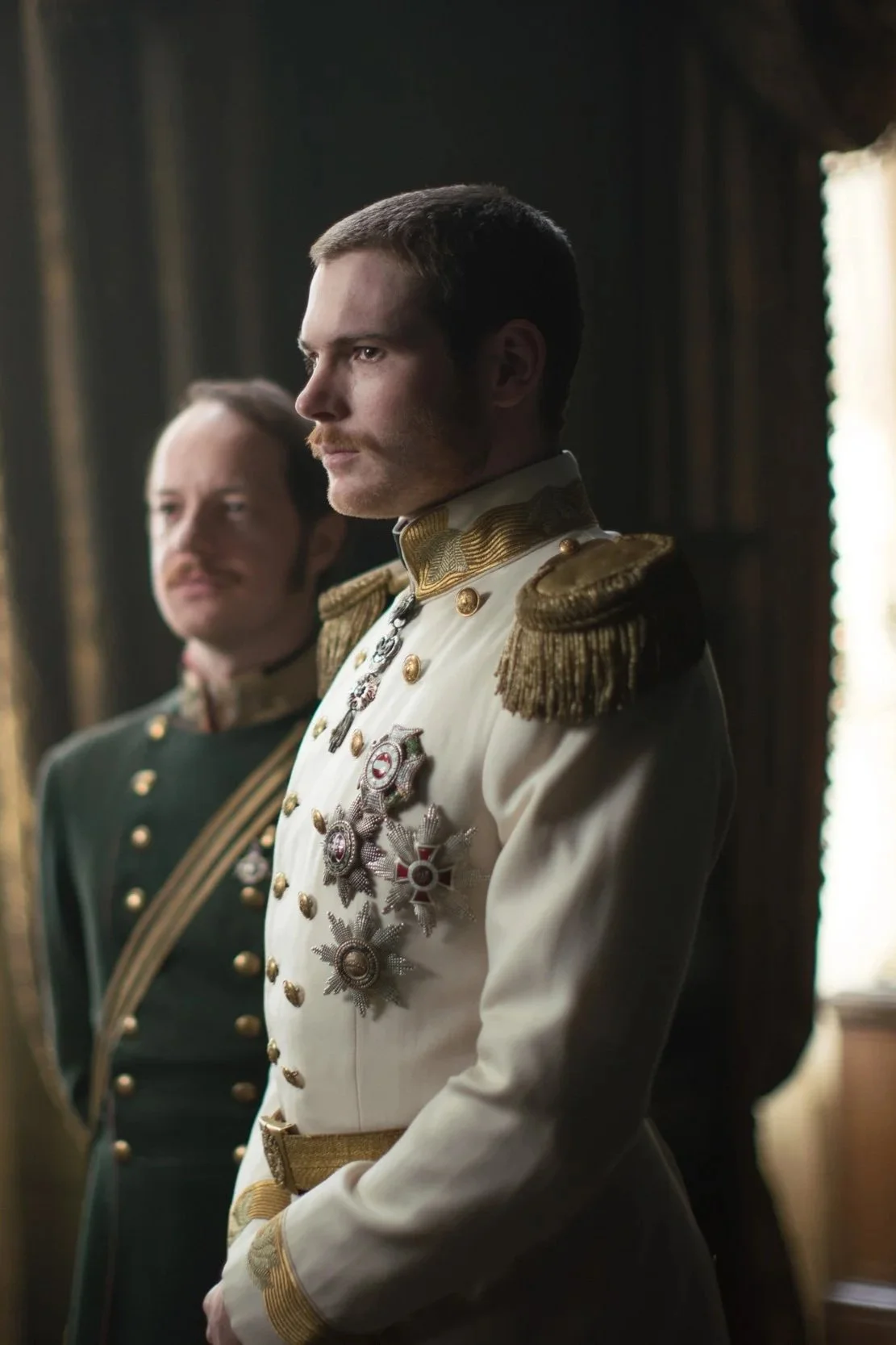
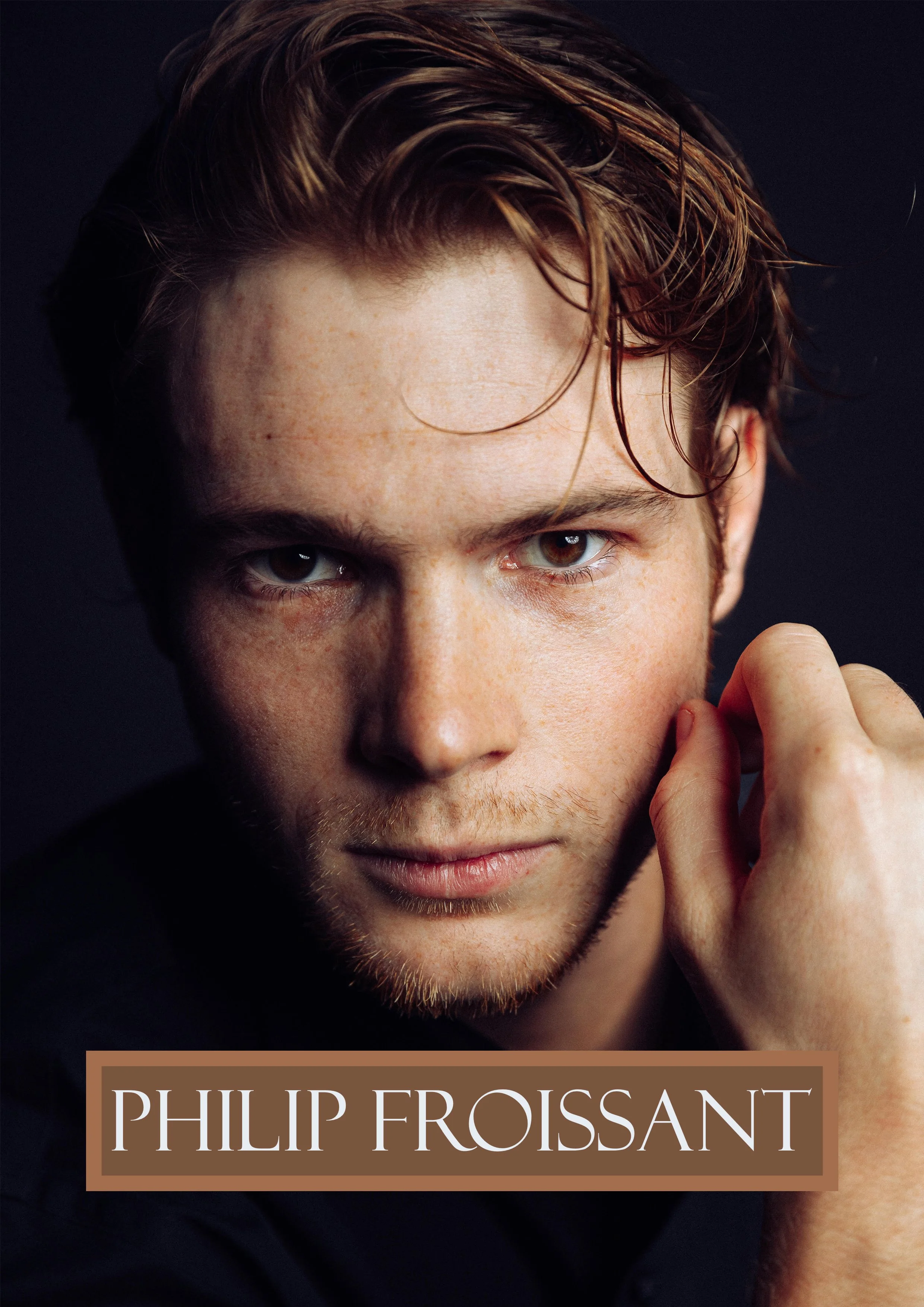
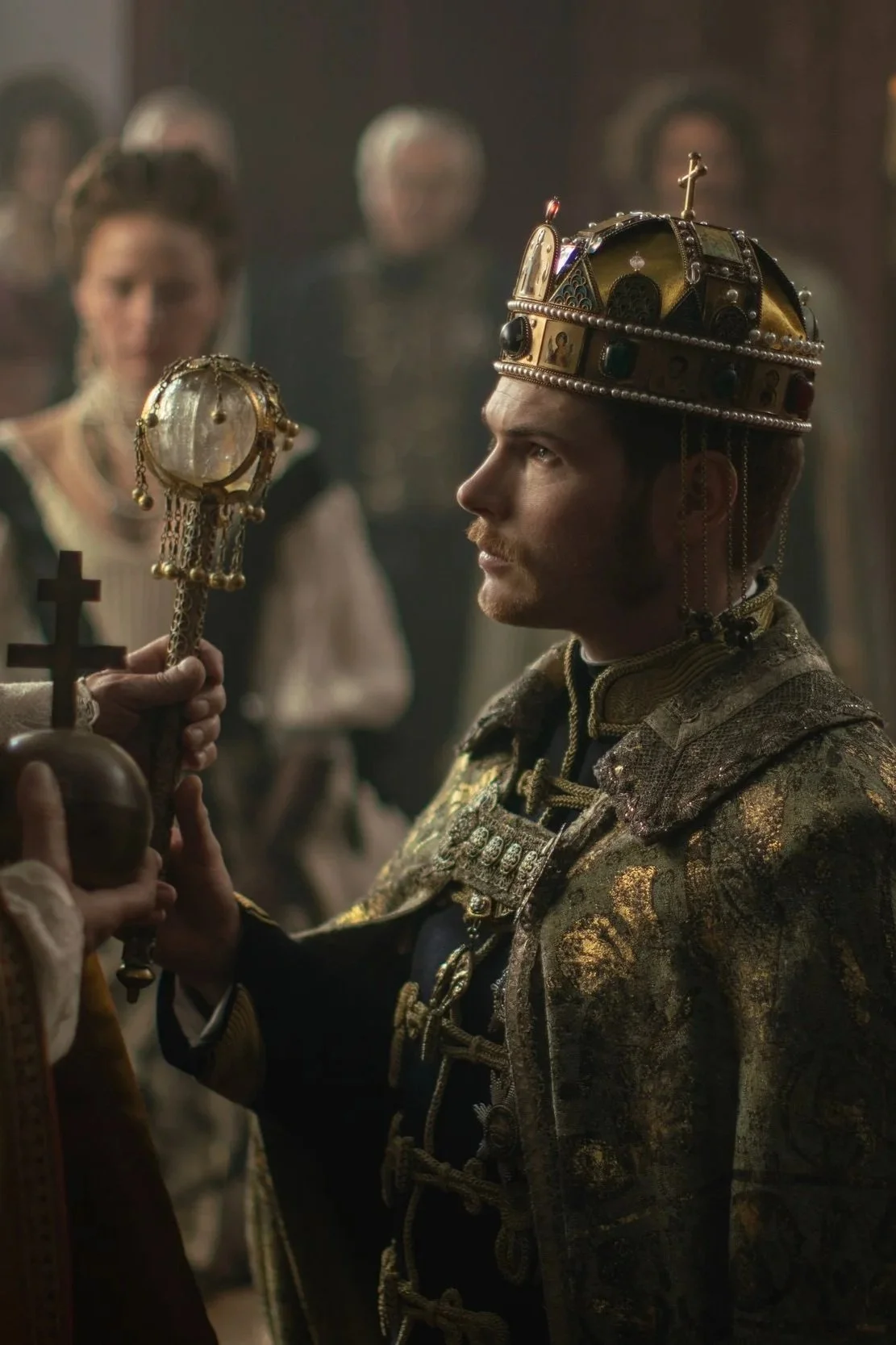
Actor Philip Froissant has made a strong impression on international audiences with his portrayal of Emperor Franz Joseph in Netflix’s hit historical drama The Empress. Ahead of the series’ highly anticipated third and final season, N Magazine had the opportunity to sit down with Philip to reflect on his journey with the character, the experience of bringing Franz Joseph to life across three seasons, and the bittersweet process of saying goodbye. We also spoke about the lessons he takes away from the role, his upcoming projects, and what lies ahead as he enters the next chapter of his career.For people discovering you for the first time, could you walk us through your story of becoming an actor?
It’s a pretty long story, but I’ll try to make it shorter. During my school years, I always wanted to become a marine biologist. I was very keen on science and never did any acting at school. After finishing school, I did an apprenticeship and became a biology lab technician, someone who assists scientists in pharmaceutical research, cancer research, and things like that. But I didn’t really feel at home in this profession. I always loved movies, though, so I started searching for a profession that might be more suitable for me I soon thought that scriptwriting or directing could be something I’d like to do. I applied to film school but wasn’t accepted, so I studied theatre studies instead. During my studies, I performed in a theatre play for the first time and discovered that acting was something I really loved. It was just so much fun.Still, for a while, I wanted to pursue scriptwriting or directing. But people in the group I was working with, as well as friends and family, started asking me, “Hey, have you ever thought about applying to acting school?” So I did, and I got in on my first attempt. I started studying acting, and that’s where I really fell in love with the profession. I’ve been very blessed because, even while I was still in acting school, I got my first bigger projects. One was a Netflix film called Black Island, followed by The Empress. I’ve been acting ever since, and I really love what I do.
As an actor, reading the script is the first glimpse into a potential role you may get to bring to life in the future. What excites you most when you read a script, and what do you look for in a story that makes you want to be a part of it?
When I’m reading a script for the first time, I always try to be very objective and simply see what feelings come up while reading the story. Normally, when it’s a script I like, you cannot help but start seeing yourself in the role. If there’s a connection to the part you’re supposed to play, it organically develops, and you start seeing yourself in the role or thinking about yourself in the character. That’s basically what I’m looking for. Then, of course, I also consider the people involved in the project, what lies within the character that might be different or special, something I haven’t done before, and what could be a challenge.
You play Franz Joseph on The Empress, a real historical figure whose life has been extensively documented. How do you approach bringing someone like him to the screen?
At the beginning, I just started reading every book I could get my hands on about Franz Joseph. A lot of biographies, but also books about the political sphere they were in back then. Then, of course, when the scripts were there, you could see that there was the historical Franz, but also the Franz who exists in the books and comes out of them. So you have to find a way to let the historical figure go and concentrate on finding what lies within the character you want to bring to life, and what you can perhaps add to him. Then it’s a lot about finding the posture, the way the figure moves, and the inner life, where you can connect to the emotional world of the character. Bit by bit, you’re just building up the character, and in the end, hopefully, there’s a very believable emperor you can see in the series.
In the new season, we’re returning to Franz at a very different point in his life. After everything we’ve seen him experience in the first two seasons, who is he when we meet him again in Season 3?
At the end of Season 2, he goes to war, and we see him right after the Battle of Solferino, which was one of the bloodiest and cruelest battles in history at that time. Even the Red Cross was founded after this battle because it was so brutal and shocking. We always had in mind that he would be really traumatized when he came back because he also feels guilty about the loss of so many of his men’s lives. He feels guilty that he’s allowed to return to his children and his family while so many other men have lost their lives for him and his cause. Then he’s confronted with Elisabeth, who has also gone through a very traumatic time, but in a very different way. I also did research on people with PTSD and people who have been to war. I think it’s very challenging for those people to return to the normal world and to be confronted with the people they love. Those people can see that you’re traumatized and hurt, but you don’t necessarily want to open up to them because they haven’t been there. That’s why veterans often meet in groups with other veterans because they can really understand what they’ve been through. So Elisabeth tries to be there for him, but he’s really closing himself off and trying to push her away. That’s how the story of Season 3 begins. It’s also been a tough time for both of us, Devrim and me, playing this because there are so many heavy scenes between the two of them until they finally find themselves and find their way back to each other.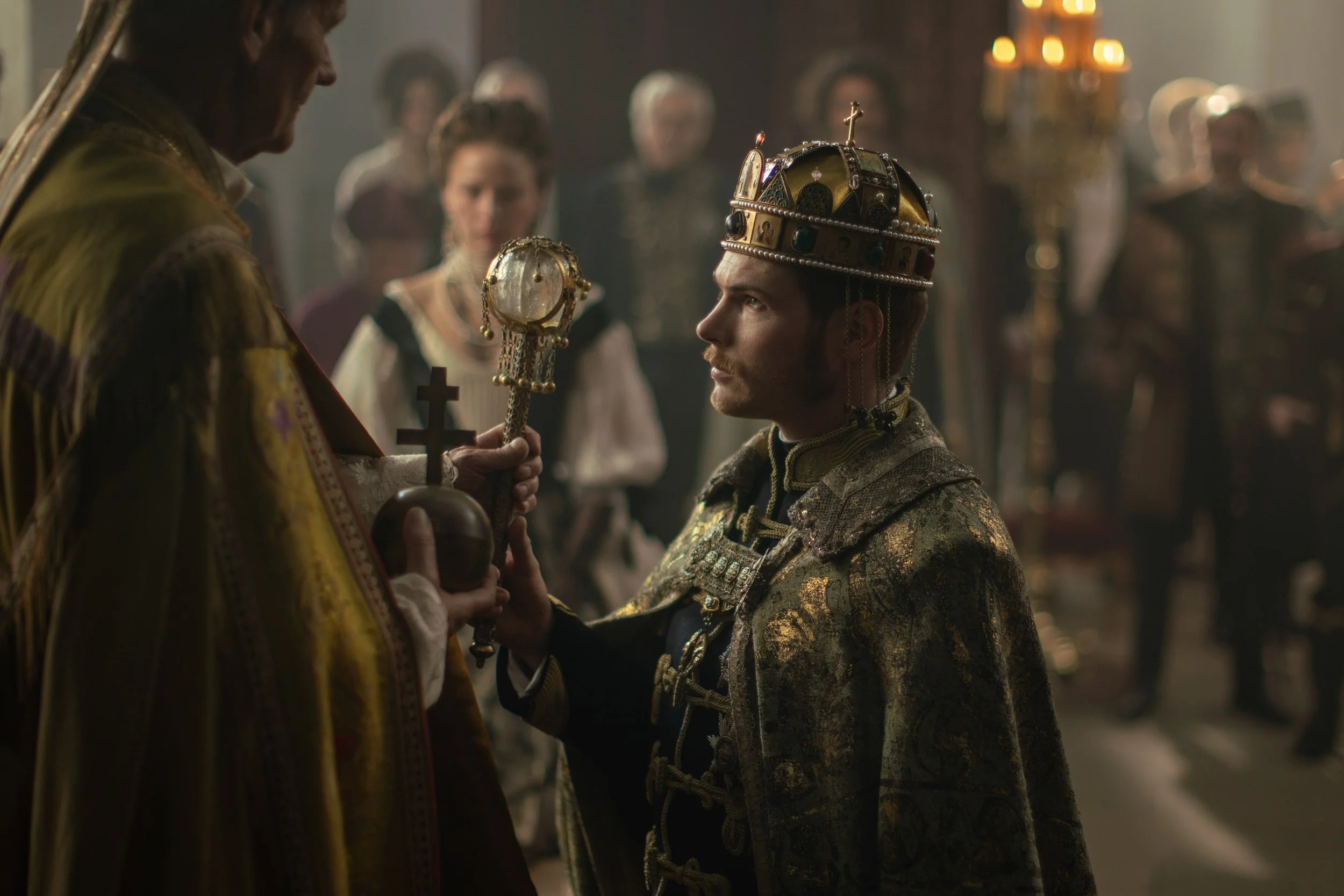
“For Franz, I somehow have the feeling that he will stay with me for some more time. He’s become such a part of my life, and now it’s time to let him go and let him stay in the world we created.”
You have brought this character to life across the three seasons. Has playing Franz changed the way you approach your work as an actor?

Actually, yes. We had the privilege of working with Giles Foreman, a very well-known acting coach, starting from Season 1. He rehearsed and worked on the characters with us from the first season until the very end.Giles taught us a method for approaching research and building a role in multidimensional layers, and that’s still how I work now. I kept what I learned from Giles and incorporated it into my normal work ethos, which I developed during acting school.

As the show comes to an end, do you find yourself with any parting words for your character, as well as for the people who got to watch you on the screen?

For Franz, I somehow have the feeling that he will stay with me for some more time. It will be a longer farewell, and he will always have a special place in my heart. He’s become such a part of my life, and now it’s time to let him go and let him stay in the world we created. It’s time for me to return to my own life and move on to future endeavours and projects. For everybody who has watched the show, I think the beauty of film is that it will always be there. It’s a place you can always return to, to seek comfort or see the characters again. I can imagine myself watching the episodes again in a couple of years, or maybe in a decade, to revisit that part of my personal journey.I just hope everybody had a great time watching the season and the series. I know it’s become very important to a lot of people, and I just want to say thank you for that and for the support. It’s a beautiful feeling to know that something is so well received and has such a special place in the hearts of the audience.
Was there a particular moment during filming the final season when you realized you were saying goodbye to Franz, rather than wrapping up another season?
I think there were several steps to it. During the last weeks of shooting, some characters suddenly disappeared or had their last shooting days, and bit by bit, the world started to fall apart. Then, on the last day of shooting, we filmed only some interior carriage scenes. The rest of the studio had already been wrapped, so there were only the two carriages left in the huge studio. You could already sense the goodbye in there. We also had a team screening, and now everything feels like the last time. I’m doing interviews in this constellation for the last time, having a team screening with all the lovely people I met on set and throughout my time on The Empress. So there are not only goodbyes to Franz, but also goodbyes to Philip. I hope, and I know, that the film world is small and that we’ll always see some people again. But this particular constellation that made the whole shoot and project so special, and the immense amount of time we spent together, is coming to an end now. There’s a very big crying eye, but it’s also a time that nobody can take away from me.
What will you miss most about playing Franz: the character himself, the world of the series, or the people you shared the experience with?
All of it. Basically, all of it. But mostly the people I’ve been working with. And, of course, the character itself. The world-building is just extraordinary, and it’s been so special to play a character in a series like that.
Beyond the professional experience, what has this chapter of your life taught you about yourself, both as an actor and as a person?
As an actor, I really found another level of calmness in my work. You discover how you work best, even in stressful situations. I learned that I really need to take myself out of the situation and do relaxation work, breathing exercises, and things like that. I work much better and can be much more creative when I’m relaxed rather than when I’m trying to push myself somewhere.The less pressure there is, and the more pressure I can take away from myself, the better I can work. Personally, I’ve always admired the stoic qualities of Franz’s character. Starting from Season 1, I read a lot about Marcus Aurelius, for example, and the Stoics. I think I’ve taken away some of that wisdom that was also part of Franz’s upbringing.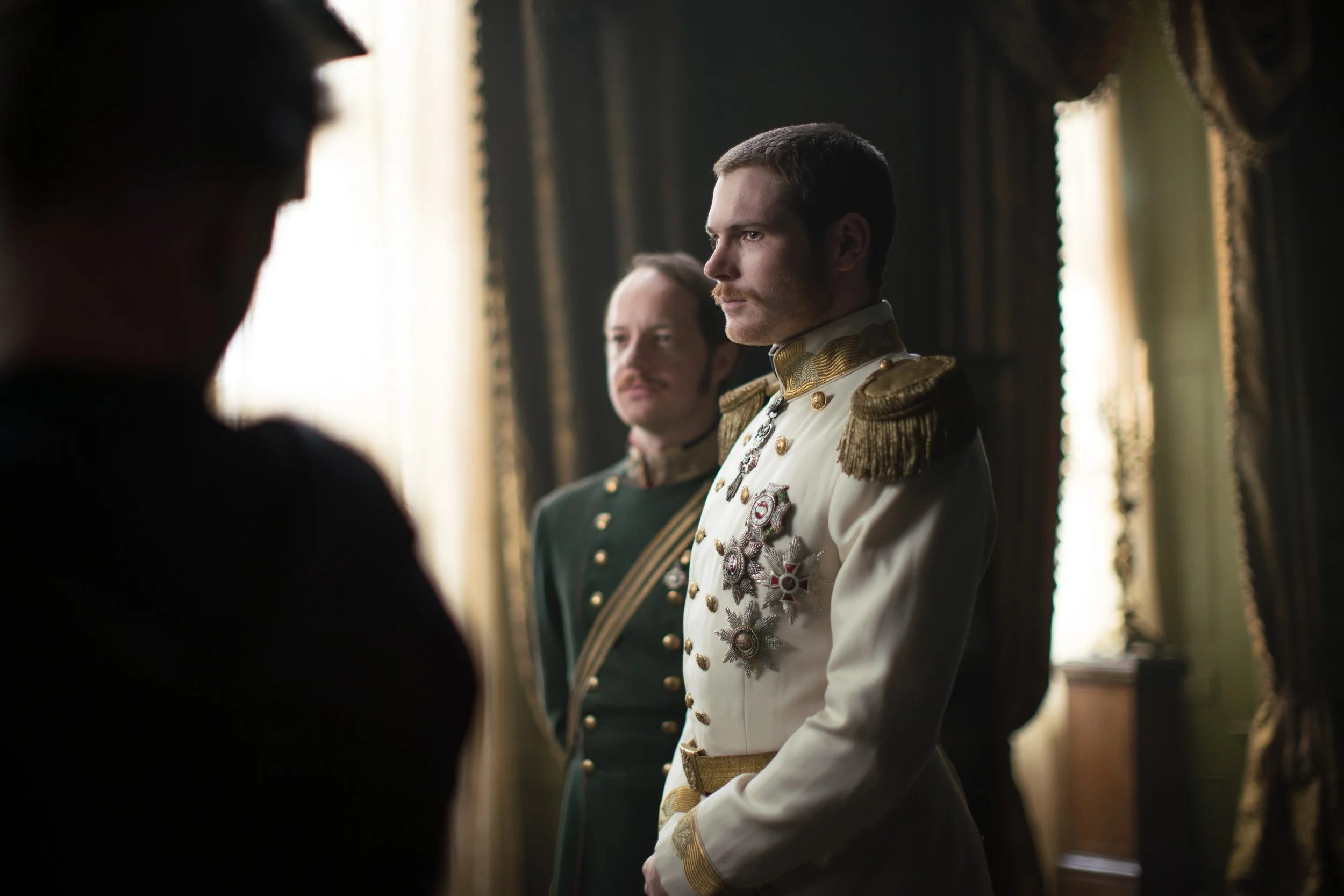
“I mean, this is the beautiful thing about this profession: with every project, you can dive into a new world and explore new characters. There is such a huge range of genres I’d like to be part of.”
As you close this chapter with The Empress, what comes next for you? Are there particular roles, genres, or creative challenges you’re hoping to explore in this next phase of your career?

Definitely. I mean, this is the beautiful thing about this profession: with every project, you can dive into a new world and explore new characters. There is such a huge range of genres I’d like to be part of. I’ve already done two shows after The Empress, which were quite different. In one, I played more of an antagonist, which was a lot of fun. Playing the bad guy is amazing! I’m also looking forward to doing things that are special. There’s a film I’m hopefully going to shoot next year, if it gets financed. It’s very special to me because it’s about a person who’s still alive, and it’s kind of a biopic. I can’t say more about it at the moment. It’s also with a director I really admire, so I’m looking forward to that a lot. It would also be great to do something internationally. I’m just curious about what lies ahead, and I’m sure something interesting will come.

Beyond acting, are there any causes or social issues that are particularly close to your heart and that you’d like to use your platform to bring greater awareness to?

Since I wanted to become a marine biologist, I’ve always been very involved in environmental projects and organisations like Greenpeace, which I’ve been working with a lot lately.Bringing more awareness to issues like climate change and our responsibility as human beings towards nature and our planet is something very close to my heart.

I also think we live in a time when there’s a lot going on, and it’s particularly tough to stay in the right mindset to be an active part of change.In the last few years, I had a moment when I really understood something about that and discovered for myself that being part of change can also be fun. I think that, at a time when we’re confronted with so much information on social media every day, it’s very important and healthy to say, “Okay, I can be part of change, but it can also be fun to be part of change. It has to be fun.” Of course, it’s also a fight, but to stay healthy throughout it, I think it’s always good to find something you can do without getting too depressed. That way, you can carry on and stay fit because it’s a long way to go.

Finally, what do you hope to achieve through your art?

That’s a big one.  Basically, as I said before, the most beautiful part of being involved in The Empress was seeing how much it impacted people and their lives.I think the beauty of acting is that it’s always been a vehicle for people to learn something about their own lives and their own problems, and to reflect on life and different things while being in the position of someone who observes and watches, rather than being part of their own struggles. So, if I can continue being part of projects like that, it would be lovely. I want to tell stories that might make a change, inspire people, or simply entertain them. Stories that bring laughter, clarity, or whatever people might need. Just something that can change things and uplift people.
Talent: Philip FroissantPhotographer: Joel Heyd Photo Stills Courtesy of Netflix / The Empress Interviewer: Violeta Nicola