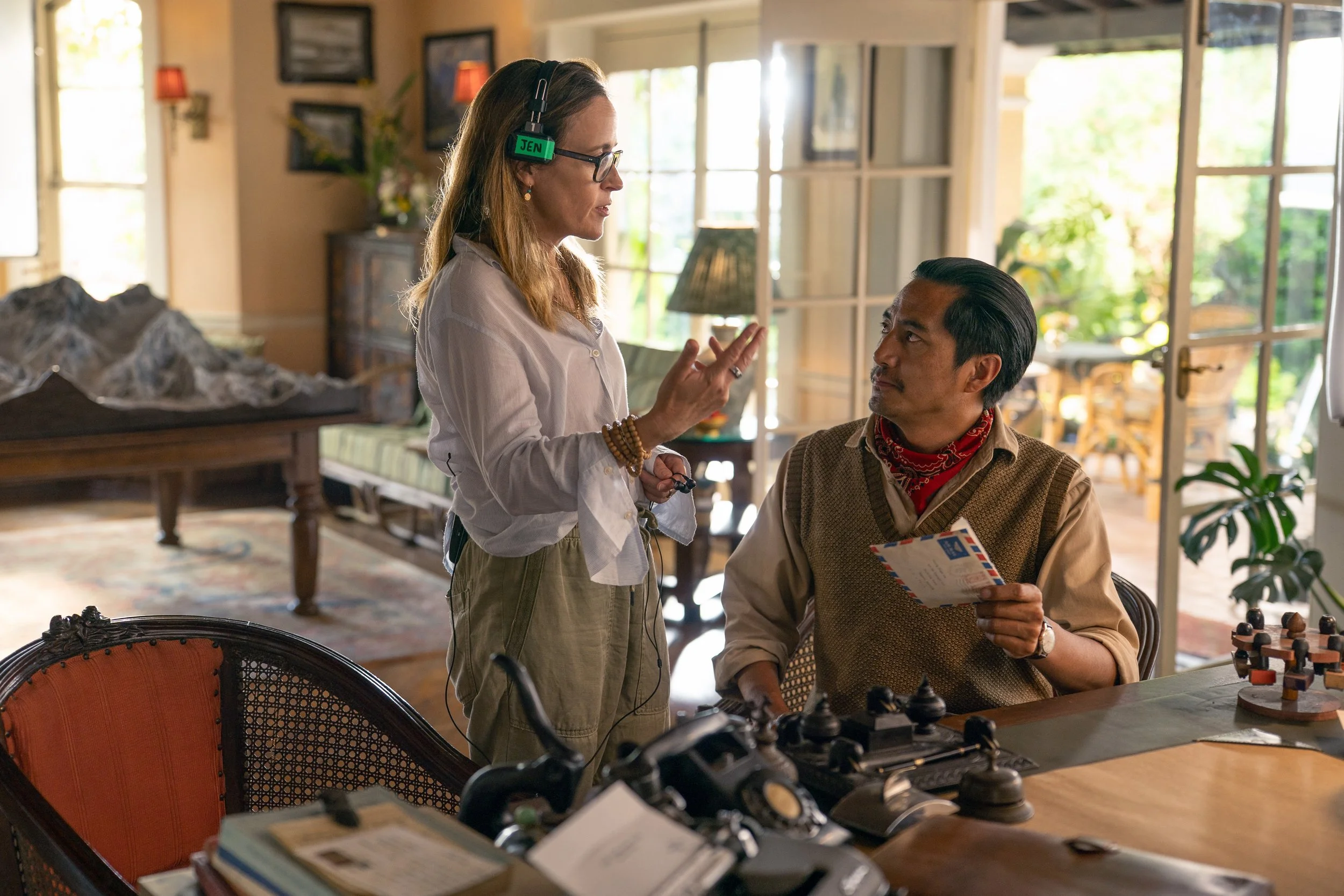
With a background of documenting the Himalayas and the communities surrounding them, director Jennifer Peedom brings a deeply human perspective to Tenzing, a historical drama exploring the extraordinary life of Tenzing Norgay. While the world remembers the historic first ascent of Mount Everest, the film shifts the focus to the man whose contribution has often been overlooked. N Magazine sat down with the Peedom to explore the intricacies of what it means to bring a film of this magnitude to life.You’ve spent a significant part of your career telling stories about the Himalayas and the people who call them home. What first drew you to this world, and what has kept you coming back to it?
I guess I hadn’t finished what I set out to do in the first place, but I didn’t know that at the time. I first went over there with friends. I was an aspiring young documentary filmmaker in my twenties, and I just wanted to work in the industry. I had some friends who worked over there and said, “Why don’t you come with us and see how you go?” And it worked out for me. So it really began as just a filmmaking idea, and then it became this massive part of my life in many ways. I kept coming back because I just found it beautiful. Initially, I was camera operating on adventure races and other people’s expeditions. After about ten years of having been there several times, I went back out of frustration, actually, to make the film Sherpa. I really felt that after all the films I had worked on, the true story of how Everest really works wasn’t being told. The Sherpas take a disproportionate share of the risks in helping foreigners realise their dreams, and that story wasn’t being told. I experienced that firsthand because a lot of the footage I shot on other documentaries, particularly the stories of the Sherpas and their contributions, ended up on the cutting-room floor.
So I decided to make Sherpa, which was in 2014, and the film was released in 2015.After making Sherpa, I thought, “Okay, I’m done now with the Himalayas. I’ve got to go off and do other things. I’ve got young kids now.” But actually, it was a realisation that there was one story that still had to be told, and that was Tenzing’s story. It was in the aftermath of Sherpa that I realised how important this story was. This man had achieved one of the greatest feats of the twentieth century, yet his contribution hadn’t been properly recognised. I had also gotten to know his family quite well while making Sherpa, and it was really with their blessing and permission that I decided to embark on making this film.You’ve approached this topic through documentary filmmaking before switching to this medium. What was it about Tenzing’s story that made you want to approach it through a narrative feature rather than a documentary?It was because the story I really wanted to tell, which I felt was so important and so epic about Tenzing’s life, hadn’t been documented. The only way to tell it was through drama because we needed to bring that story to life. It’s a very internal journey. It’s an emotional journey about family, sacrifice, loss, identity and grief. None of that story from Tenzing’s childhood, his exile across the Himalayas and all those experiences had been documented. Documentary had really taken me as far as I could go, and we needed to tell this story as a drama.Tenzing Norgay is one of the most remarkable figures in mountaineering history, yet much of his personal story remains less familiar to international audiences. What aspects of his life were most important for you to bring to the forefront?That was a really long process throughout the scripting process over a number of years. There’s so much you can tell in a person’s life, but we’re also telling the story of the first ascent. So the challenge in writing the screenplay was finding the essence of those two stories and deciding which things absolutely had to be included. I worked for many years with a writer, going through the story and asking, “What about this piece? How did it motivate him?” Ultimately, it came down to helping the audience understand what had made the man, as well as what was psychologically and emotionally driving him up the mountain in the present-day story.Those things included his exile from the Tibetan Plateau across the mountains. So many people think Tenzing was a Sherpa, but ethnically, he wasn’t born a Sherpa. He became much beloved and became part of the Sherpa community, but he wasn’t ethnically born into it. It’s just one more thing people assume about him that isn’t quite correct. It was also the story of his childhood, the loss he experienced, the love of his wife, who became instrumental in motivating him to climb the mountain, and his children. There’s also the sacrifice it takes for any person to leave their children and go and climb a mountain. And then there’s the hypothetical meeting between Tenzing and Mallory when Tenzing was a boy, which we know potentially could have happened. We know Mallory’s expedition saw villages in that same valley, and we also know Tenzing saw those climbers coming through. Whether or not Tenzing and Mallory actually met is one of those creative liberties you take. So it was all those fundamental aspects of Tenzing’s story that shaped him as a person.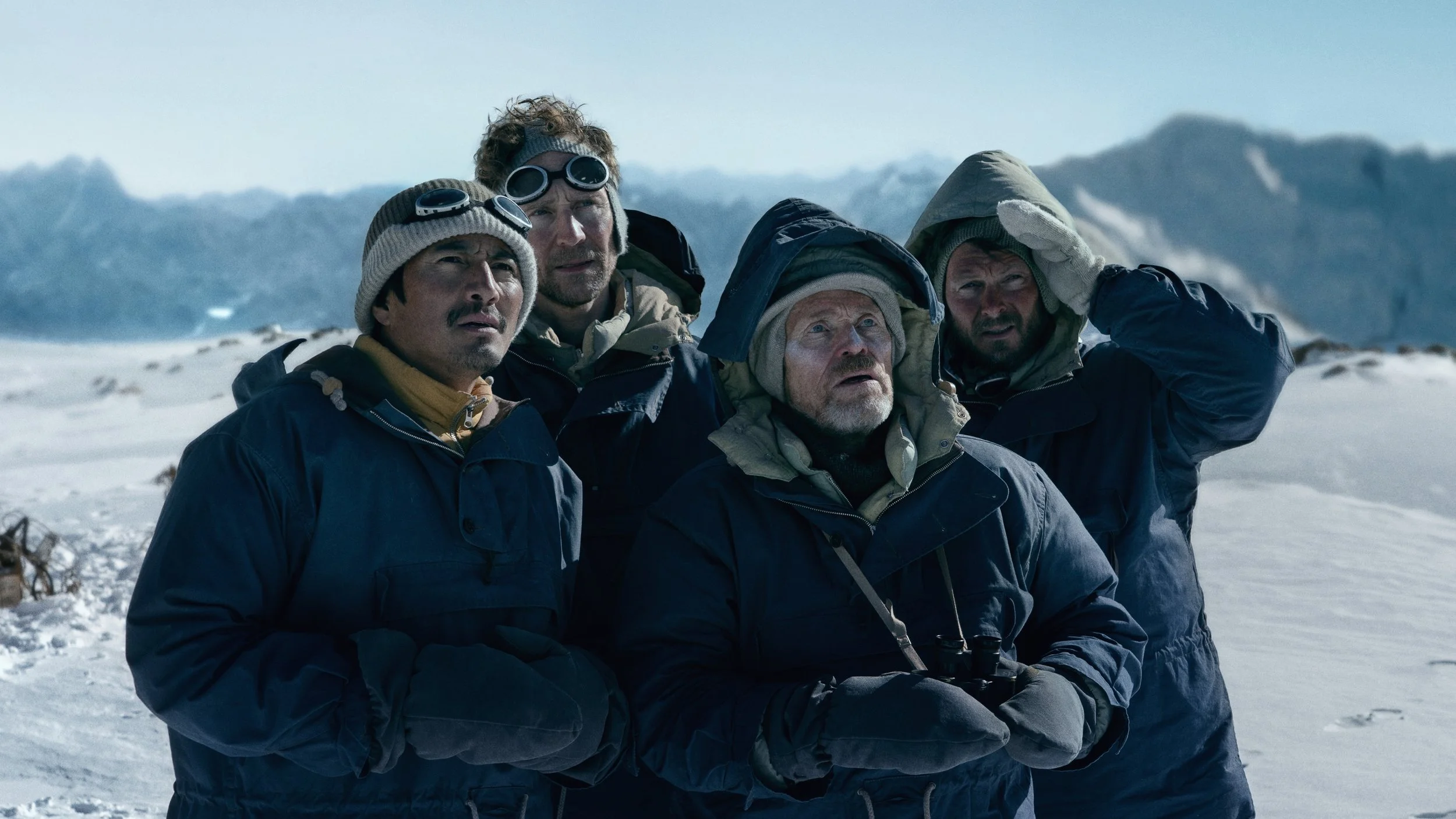
“It’s an emotional journey about family, sacrifice, loss, identity, and grief. None of that story from Tenzing’s childhood, his exile across the Himalayas and all those experiences had been documented. Documentary had really taken me as far as I could go, and we needed to tell this story as a drama.”
How did you approach finding that balance between portraying Tenzing’s personal journey and telling the historic story of the first ascent?
Ultimately, it came down to helping the audience understand what had made the man, as well as what was psychologically and emotionally driving him up the mountain in the present-day story. It was a long process of working through the screenplay and deciding which elements of his life were essential to understanding him. We wanted the audience to understand not just the achievement itself, but the person behind it: his childhood, his experiences of loss and exile, his family and the motivations that drove him. There’s something quite beautiful about the way the film portrays Tenzing’s relationship with Everest. For him, the mountain isn’t simply something to conquer, but something deeply connected to his identity, his spirituality and his sense of belonging. How did you translate that almost spiritual relationship onto the screen?
I think when you flip the lens and tell a story from a different point of view, in this case from the indigenous people of that area, you inherently tell a more spiritual story. The entire lens needed to look at the mountain from a different perspective. There’s a line in the film where Tenzing explains to Hillary how the Sherpa community and Himalayan people view that landscape and that mountain differently. He says to Hillary: “Where they see mountains, we see ourselves. They are the bones, and we are the blood.” That’s a fundamental paradigm shift.
It helps you understand that indigenous people from that area, and from all around the world, see themselves as connected to the landscape, not as separate from it. So the mountain isn’t something to be conquered, but rather a goddess to be revered, an entity to be respected, a deity, as they would say. That meant always framing the landscape in a more reverential way. You’ll notice that we’re never looking down on the summit of Everest. At most, we’re looking across, but usually we’re looking up. Those were specific choices we made to turn the mountain into a character in the film, while always treating it with respect.When you’re working on a film set in such an extraordinary natural environment, how do you make sure the landscape enhances the emotional story rather than simply becoming a visual spectacle?To me, it was very important that we shot in the real landscapes. It was about representing the ways the mountains impact what’s happening in the present-day story: both the awe and majesty, and the way a mountain like that can make you feel small, intimidated and scared, but also humble for all the right reasons. I wanted the crew to experience that, and in particular, I wanted the actors to experience it. It was really important to put them in the landscape, but shoot them in a way that made the story feel both intimate and epic. We did a lot of work with aerials and drones. The main unit shot all the way to Everest. They trekked all the way to Everest Base Camp and filmed aerials up to 8,000 metres, right up to the South Col of Everest. And then there was the importance of climbing on real mountains. We didn’t put the actors on Everest. We put them in the Southern Alps in New Zealand, on mountains over there. I wanted them to have a real experience where they could feel the unpredictability of nature. That made the shoot very difficult because we could be pulled off the mountain at any moment. We could be in the middle of a scene and the safety team would call cut, and we’d have to get off the mountain. That happened more than once. The actors were actually down real crevasses, and they had to climb out of those crevasses themselves. We trained them to do that.All those things, I think, give the audience a more visceral experience of really being there and understanding what that landscape can do to you. That was really important to us.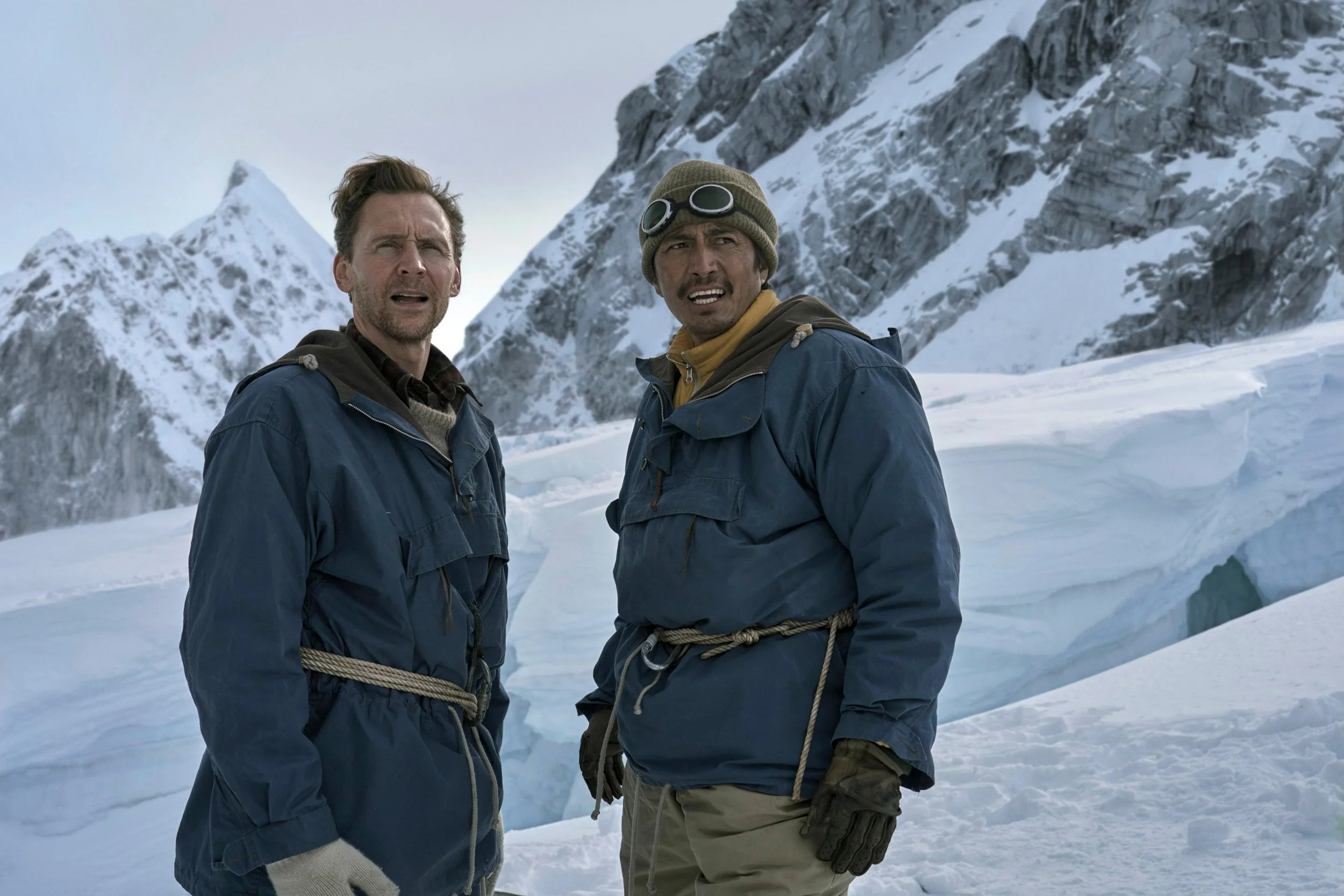
“To me, it was very important that we shot in the real landscapes. It was about representing the ways the mountains impact what’s happening in the present-day story: both the awe and majesty, and the way a mountain like that can make you feel small, intimidated and scared, but also humble for all the right reasons. I wanted the crew to experience that, and in particular, I wanted the actors to experience it.”
Do you think making this film has changed the way you personally understand ambition, achievement and what it means to accomplish something extraordinary?Having spent so much time in that community, I knew that the way Sherpas approached the mountain was different. To them, it’s different for every single person, but I think for Tenzing there was a real desire to climb. He was unusual in his desire to climb and perhaps unusually ambitious for someone from that part of the world. That often put him at odds even with the other Sherpas. You see in the film that they’re worried about what happens once you’ve climbed the mountain. Once it’s been climbed, no one’s going to want to come back and do it again, and so their jobs will be gone. Those were things I had heard Sherpas talking about on mountains in the early years of my climbing experience. I guess what I learned was that there’s a different way to be ambitious. Ambition doesn’t always mean that you need to take something and not give something back. I think that’s a more Buddhist way of looking at ambition.It doesn’t mean Buddhist people or indigenous people don’t have ambitions to achieve things. It just takes a different form. It’s maybe a more gentle, spiritual form.Finally, what do you hope audiences take away from Tenzing, particularly those who may be discovering his story for the very first time?I think the number one hope was that Tenzing’s name would land back in the history books. That people would know who he was, what he achieved and all the obstacles he had to overcome to achieve this amazing thing. But beyond that, it’s about recognising the broader Himalayan Sherpa community and the role they play on Everest. It’s also about the idea of whose story gets to be told and who gets to be the hero. Maybe there’s a different way to look at nature and approach nature. It doesn’t always have to be about conquering and taking. It can be about approaching nature with more reverence, humility and respect.And I do hope people watch this film and don’t necessarily feel the need to climb Everest themselves.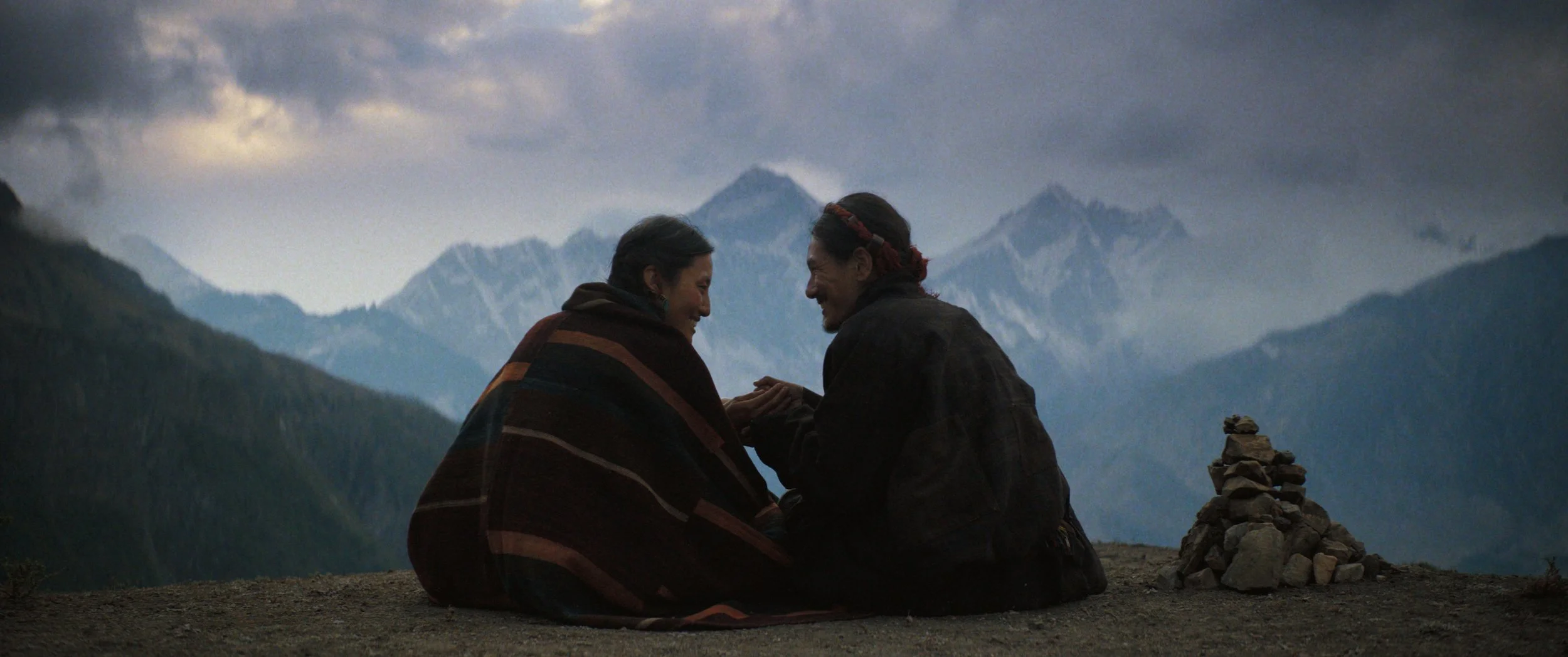
Talent: Jennifer Peedom Photo Stills of Tenzing / Apple TV Interviewer: Violeta Nicola